Lower the Volume: Building a Low-Stimulus Spa Day in Tbilisi

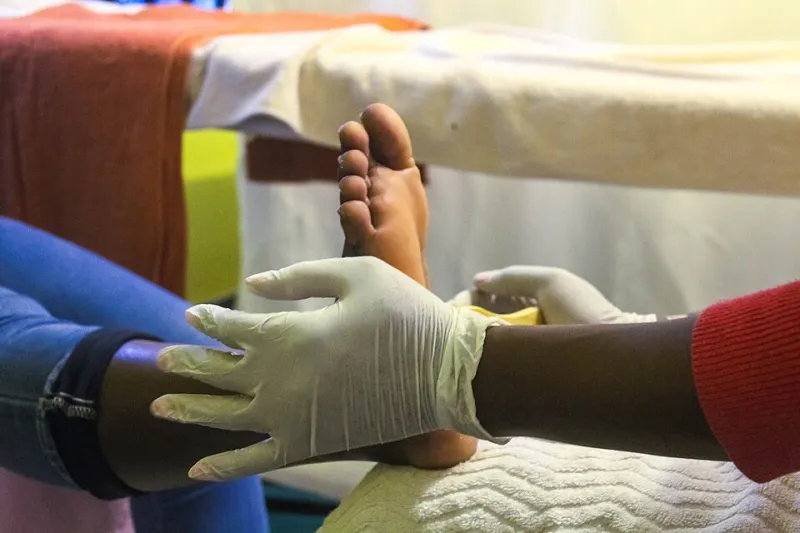
Photo by Photo by Daria K on Unsplash on Unsplash
Tbilisi has a way of turning a simple massage into a full sensory event. Sulfur steam curls through stone corridors. Someone offers tea. A group in the next room laughs. The therapist asks a question you did not expect. For plenty of travelers, that is the charm. For others, it is exactly the kind of input that makes the shoulders creep back up toward the ears.
If you are in the second group, you do not need to skip bodywork in Tbilisi. You need a plan that lowers the volume before you walk in. Think of it as a low-stimulus spa day: fewer surprises, clearer requests, and a setting that feels predictable from the first minute. This is not about being difficult. It is about giving yourself the same courtesy you would give a travel companion who hates crowds.
Start With the Setting, Not the Treatment
Most spa advice starts with the menu: Swedish, deep tissue, aromatherapy, hot stone. For a sensory-sensitive traveler, the room matters more than the label. A perfectly good 60-minute massage can feel like too much if it happens beside a slamming locker room door or under a playlist that seems designed for a shopping mall.
In Tbilisi, the spa landscape is broad. You have the historic sulfur bathhouses in Abanotubani, where private bath rooms can be rented by the hour. You have hotel spas with controlled lighting, quiet waiting areas, and appointment desks that speak some English. You have small, appointment-only massage studios tucked into residential blocks. Each has a different noise profile.
For a calmer first visit, a private sulfur bath room can work well if you want heat and water without a communal crowd. But be honest about steam: those rooms can be warm, echoey, and mineral-scented. If steam makes you feel panicky or lightheaded, a dry treatment in a small studio is usually more predictable. Hotel spas tend to be the most controlled environment, especially on weekday mornings. Small studios are often the quietest of all, though they may have less English-language support at the front desk.
Timing helps. Weekend evenings are social. Weekday mornings are not. If you are flying in from the States and still running on a different clock, book the earliest slot you can comfortably reach and treat the rest of the day as recovery, not sightseeing.
Ask for the Room You Actually Want
Many travelers accept the first room they are shown, then spend the treatment noticing every sound. You can ask for something else. In Tbilisi, the request is usually met with flexibility, especially if you are polite and specific.
Before you book, send a short message or ask at the desk: 'I am sensitive to noise. Is there a quieter room away from the hallway?' If you are booking a bathhouse, ask whether the private room is fully enclosed and whether staff enter during the session. If you are booking a massage, ask whether the room has a door that closes fully and whether music can be turned off or kept very low.
Lighting matters too. Some treatment rooms are bright enough to read a menu. Ask: 'Could we keep the lights dim?' If overhead light is the only option, ask for a towel over your eyes. It sounds small. It changes the entire hour.
If English is not flowing easily, keep your request simple and show it on your phone. 'Quiet room, please.' 'Low light, please.' 'No music, please.' Short phrases travel better than long explanations. You are not asking for a favor. You are giving the spa the information it needs to do its job well.
Set the Touch and Pressure Contract Up Front
A sensory-friendly visit is not only about sound. Unexpected touch, changing pressure, and unclear transitions can all spike the nervous system. The fix is a short conversation before the therapist starts.
Try a simple pressure scale: 'I like medium pressure. If I say three, that is perfect. If I say five, please lighten up.' Ask for consistent pressure rather than surprise deep work. If you do not want your scalp, face, or feet touched, say so at the start. If you want to keep talking to a minimum, say that too: 'I would prefer a quiet session. Please check in only when you need to.'
Good therapists in Tbilisi are used to adjusting. What they cannot adjust is information they do not have. Tell them if you are sensitive to cold, if the table feels too high, if the oil scent is strong, or if you need a pause. Agree on a signal: raise a hand, say 'pause,' or use a word you will remember. You are allowed to stop the session at any point.
Draping is another boundary worth naming. If you want extra coverage, ask for it. If you want the therapist to explain each transition before it happens, ask for that. None of this is unusual. It is just clearer than hoping the therapist reads your mind.
Build a Low-Stimulus Timeline
The appointment is only one part of the day. The hour before and after can make the difference between a calm experience and a draining one.
Arrive with a buffer, but not too much buffer. Ten minutes is usually enough to check in, use the restroom, and change without rushing. If the waiting area is loud, ask if you can wait somewhere quieter or step outside. Bring earplugs if you know that chatter and traffic noise get under your skin. Sunglasses are not out of place in Tbilisi, and they can help you keep your own bubble on the walk over.
Keep the session length modest. A 60-minute massage is often plenty for a first visit. Ninety minutes can be wonderful, but it is also more time in a room with someone else's music, steam, and schedule. You can always book longer next time.
Afterward, skip the crowded cafe if you can. Find a quiet bench, a courtyard, or a tea spot where you do not have to talk. Hydrate. Let the treatment settle. The goal is not to power through a full day of sightseeing immediately after bodywork. The goal is to leave with a little more room in your nervous system than you came in with.
Which Tbilisi Settings Tend to Feel More Predictable
Private sulfur bath rooms in Abanotubani are a good middle ground for travelers who want the ritual without the communal locker-room energy. Book a private room, ask about the schedule, and go early. The trade-off is heat and echo. If steam is the issue, choose a dry massage instead.
Hotel spas are the most predictable for lighting, temperature, and English-language check-in. They can also be the least atmospheric if you are looking for old-Tbilisi character. That is a fair trade for some travelers.
Small studios are often the quietest option, especially if they are appointment-only and located away from main streets. Ask about street noise and whether other clients will be in the waiting area. A five-minute phone call can save you an hour of gritted teeth.
What tends to be less predictable: large bathhouse complexes at peak times, group spa packages, and any setting where the front desk cannot tell you exactly what the next hour will look like. None of those are bad. They are just not the low-stimulus choice.
The Quiet Hour Is a Request, Not a Guarantee
Tbilisi spas are not clinical environments. They are social, warm, and sometimes a little chaotic. You can lower the volume, but you cannot mute the whole city. A door will close too hard. A phone will ring. Someone will laugh in the corridor.
The point is not perfection. The point is giving yourself options: a quieter room, a clear pressure scale, a pause signal, and permission to leave if the experience is not working. That is a spa day you can actually relax into. And in a city that loves to fill the room with sound, that quiet hour can feel like a genuine luxury.
For travelers from the States who are used to spa menus that promise a controlled experience, Tbilisi asks for a little more self-advocacy. The reward is bodywork that meets you where you are, not where the brochure assumes you should be.